
The ongoing debate over the science education standards in Texas has reached a new level of intensity with the proposed changes concerning the teaching of evolution. The heart of the debate centers around how evolution should be presented in academic curricula. These alterations have sparked discussions among educators, parents, and policymakers, raising questions about academic freedom, scientific integrity, and educational objectives.
Background and Context
In recent years, Texas has repeatedly found itself at the forefront of discussions about education standards, particularly concerning science subjects. The current debate focuses on the balance between scientific evidence and differing viewpoints. Evolution, a fundamental concept in biology, has consistently been a point of contention, reflecting broader societal tensions about science and religion.
Proponents of the proposed changes argue for a curriculum that allows students to explore and question the evidence supporting evolution. This perspective posits that encouraging critical thinking and open discussions in the classroom will foster a deeper understanding of the subject. Critics, however, warn that such an approach may undermine the scientific consensus and lead to the inclusion of non-scientific perspectives in the curriculum.
Implications for Teachers
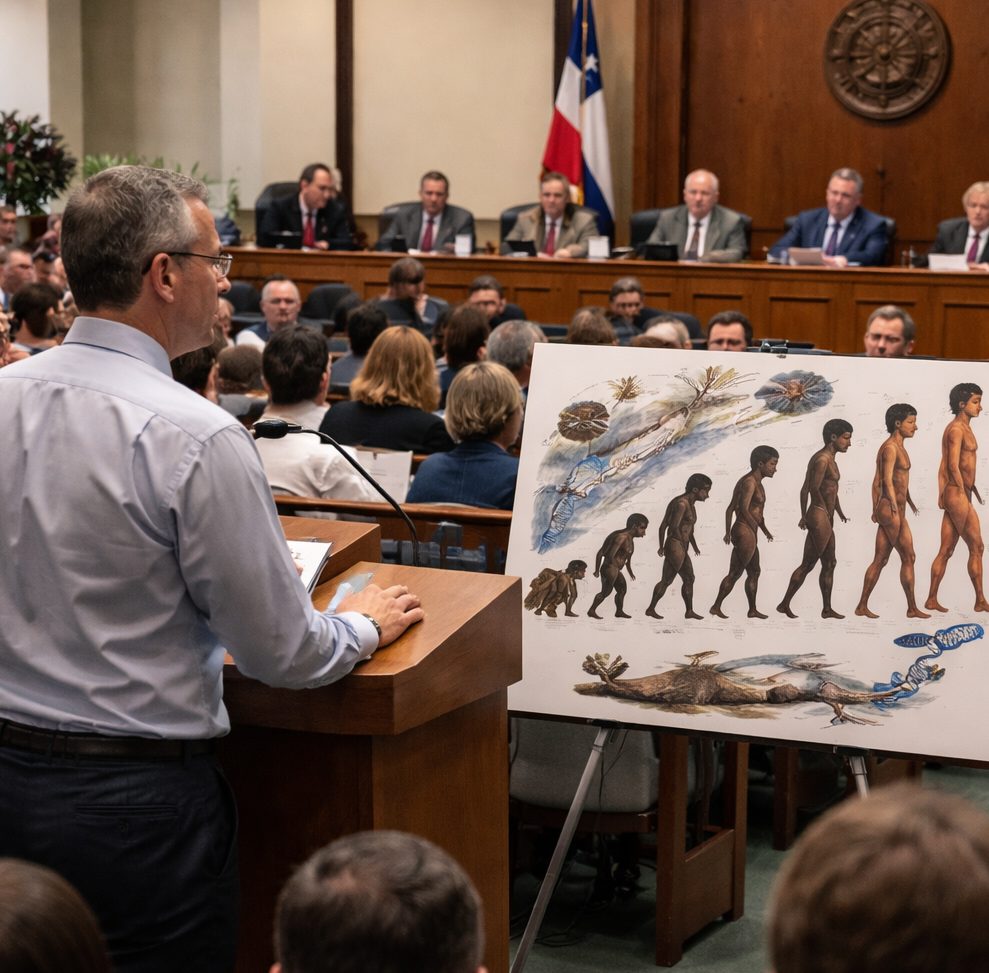
For educators, these proposed changes present both challenges and opportunities. Teachers may find themselves caught between the duty to adhere to state standards and the responsibility to provide students with a rigorous scientific education. The revisions could necessitate the development of new teaching materials and approaches that accommodate the updated guidelines. Some educators are concerned about the potential pressure to teach evolution in a way that might compromise scientific accuracy.
Despite these challenges, others see this as an opportunity to engage students more dynamically. It could encourage learners to critically analyze and evaluate evidence, a skill crucial not only in science but across various disciplines. How teachers navigate these changes will likely depend on individual district policies and their own educational philosophies.
Public Reactions
The proposal has elicited a wide range of reactions from stakeholders. Parents and community members have voiced diverse opinions, reflecting the complex interplay of educational, religious, and cultural values. Some parents express concern about the potential for educational standards to become politicized, fearing that the changes could lead to a diluted science curriculum. Others advocate for a more inclusive approach that respects diverse viewpoints.
Professional organizations dedicated to science education have also weighed in, emphasizing the importance of maintaining high standards that reflect the scientific consensus. They argue that the integrity of science education relies on presenting evolution as a well-supported scientific theory, free from non-scientific influences.
The Broader Educational Landscape
While the focus is on Texas, the implications of this debate resonate nationally. Education standards have the power to shape how future generations understand and engage with science. Decisions made in Texas could influence textbook content and educational practices across the country, given the state’s significant influence in the textbook market.
As discussions continue, the need for dialogue and collaboration among all stakeholders remains clear. The outcome of this debate will not only affect Texas students but will also set a precedent for how science and controversial topics are taught in American schools. In the end, the ultimate goal is to equip students with the knowledge and skills necessary to thrive in an increasingly complex world.